Humanizing Healthcare is a webinar and podcast program dedicated to sharing insights and best practices to make healthcare more human and fulfilling for all. With healthcare innovators and thought-leaders, we discuss how to better support everyone in the healthcare ecosystem: clinicians, patients, families, and the broader care team, to deliver experiences and outcomes that inspire lasting relationships. Powered by Fidelum Health and PRC!

Applying Social Science to Improve Patient Experiences at Mayo Clinic
We are pleased to share that Laurie Wilshusen & Heidi Stehr, Patient Experience Leaders at Mayo Clinic, will be joining us to discuss how they Applied Social Science to Improve Patient Experiences in simple ways that any healthcare organization can implement.

Humanizing Healthcare is dedicated to sharing insights and best practices to make healthcare more human and fulfilling for all. With healthcare innovators and thought-leaders, we discuss how to better support everyone in the healthcare ecosystem: clinicians, patients, families, and the broader care team, to deliver experiences and outcomes that inspire lasting relationships.
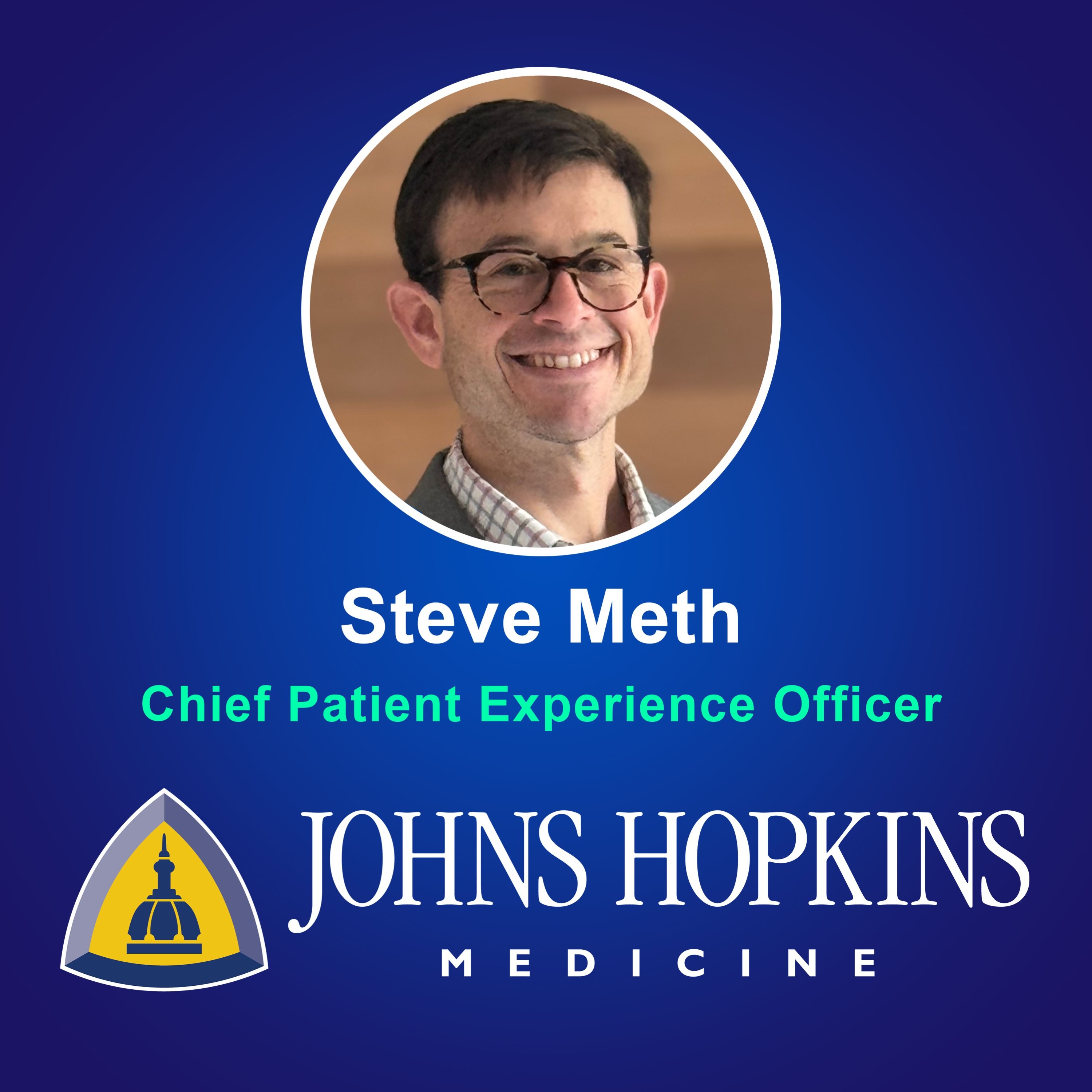
In this episode of Humanizing Healthcare, Chris Malone talks with Steve Meth, Vice President and Chief Patient Experience Officer at Johns Hopkins Medicine, about how healthcare organizations can listen more effectively to patients and families and turn those insights into meaningful improvements in care.
Steve’s path to patient experience began with seeing firsthand what can happen when communication, coordination and trust break down. Those experiences ultimately led him from law into healthcare, where he has spent his career working to prevent harm and strengthen connections among patients, families and clinicians.
Steve shares how Johns Hopkins Medicine is taking a long-term approach to patient experience, including simulation-based learning that helps clinicians practice difficult patient encounters, virtual patient and family advisors who broaden the voices represented in improvement efforts, and post-discharge calls that help identify potential care issues while bringing patients’ actual voices into the organization.
The conversation also explores how patient experience, patient safety and employee engagement reinforce one another; how technology can support stronger relationships; and why sustainable improvement requires patience, data, listening and a willingness to keep learning.
Key Takeaways
02:49 How Steve Meth Found His Path Into Patient Experience
06:43 Why Sustainable Change Requires Long-Term Thinking
10:52 Building a Long-Term Patient Experience Strategy at Johns Hopkins
13:25 Why Clinicians Need Coaches, Too
18:18 Expanding Who Gets Heard Through Patient and Family Advisors
20:26 Using AI to Turn Patient Feedback Into Action
20:52 The Power of Calling Patients After Discharge
21:25 Why Hearing the Patient’s Actual Voice Matters
22:28 How Post-Discharge Calls Are Improving Care and Preventing Harm
24:26 Finding New Ways to Listen and Respond to Patients
26:01 How Peer-to-Peer Support Helps Patients and Families
27:10 Building Relationships Beyond the Hospital Stay
31:05 Balancing Technology With Human Connection
34:17 Building Leadership Support for Long-Term Change
39:35 Creating a Consistent Experience Across a Health System
42:23 Why Yesterday’s Success May Not Be Enough for Tomorrow
Additional Resources
Additional Resources Steve Meth on LinkedIn: https://www.linkedin.com/in/empathy-forward/ Johns Hopkins Medicine: https://www.hopkinsmedicine.org/
PRC: https://www.prcexcellence.com/
Fidelum Health: https://fidelumhealth.com/
Unlock the power of The HUMAN Remedy™ insights model: https://fidelumhealth.com/services/